
Benign Prostatic Hyperplasia (BPH)
Benign Prostatic Hyperplasia (BPH) is a non-cancerous enlargement of the prostate gland that commonly develops with increasing age. As the prostate enlarges, it can place pressure on the urethra and may gradually affect normal urinary flow.
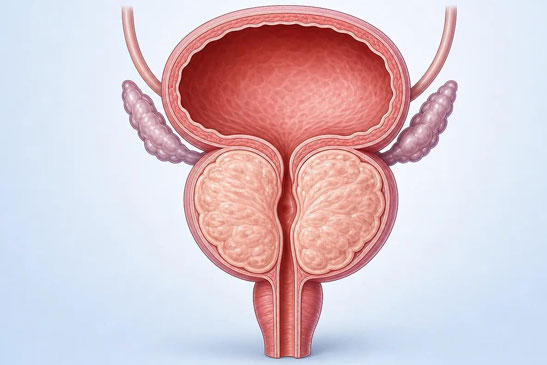
How BPH Affects Urination
An enlarged prostate can make it harder for urine to pass freely from the bladder. Symptoms may develop slowly and can differ in severity from one person to another.
Common Urinary Symptoms
BPH may be associated with
- Difficulty starting the urine stream
- Weak or slow urinary flow
- Frequent need to urinate, especially at night
- Feeling that the bladder has not completely emptied
Assessment and Management
Evaluation may involve a discussion of urinary symptoms, physical examination and selected tests depending on individual needs. Management is based on symptom severity and may include lifestyle measures, medicines or other treatments when appropriate.