Piles
Piles, also known as haemorrhoids, are swollen blood vessels in and around the anus and lower rectum. They can occur internally or externally and may cause discomfort, bleeding or irritation during bowel movements.
Understanding Haemorrhoids
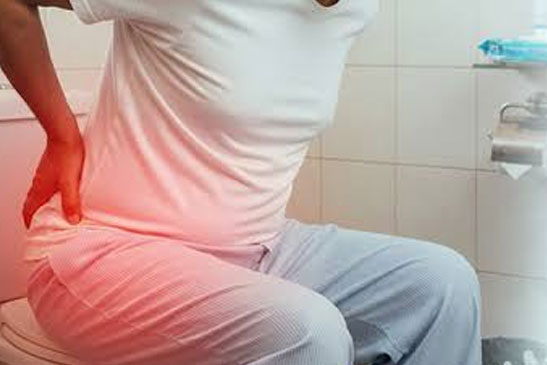
Piles may develop when increased pressure is placed on the veins around the rectum and anus. Constipation, prolonged straining during bowel movements, pregnancy and spending long periods sitting on the toilet can contribute to their development.
How Piles May Present
Common symptoms can include:
- Bright red bleeding during or after bowel movements
- Itching or irritation around the anal area
- Pain or discomfort, particularly with external piles
- Swelling or a lump around the anus
Common Contributing Factors
- Chronic constipation and repeated straining
- Low-fibre diet and inadequate fluid intake
- Prolonged sitting or spending excessive time on the toilet
- Pregnancy and increased pressure in the pelvic area
Treatment and Relief
Management depends on the severity of symptoms and the type of piles. Mild cases may improve with dietary and lifestyle changes, adequate fibre and fluids, and measures that help prevent straining. Persistent bleeding, significant pain or recurrent symptoms should be medically evaluated to determine the appropriate treatment.